Solar Panel Perth WA: Understanding Solar Electricity for Modern Perth Homes
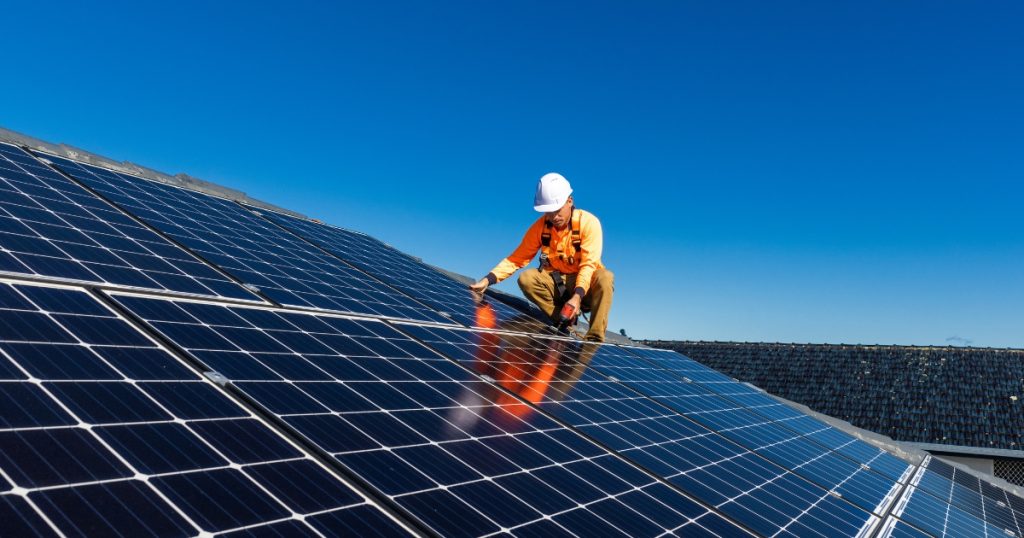
Perth has become an increasingly suitable location for residential solar energy because of its strong sunlight, growing electricity demand, and interest in energy-efficient homes. Choosing the right solar panel Perth WA system involves more than simply selecting panels and arranging installation. Homeowners need to consider system capacity, roof orientation, inverter technology, battery storage, energy consumption, warranties, and available incentives. At the same time, understanding how solar electricity Perth systems work can help households make more informed decisions about generating and using renewable energy. A well-designed solar system can support daytime electricity consumption while a battery can help store surplus generation for later use.
Understanding Solar Energy for Perth Homes
A residential solar system generally combines photovoltaic panels, an inverter, mounting equipment, electrical protection, and, where required, a battery. The panels capture sunlight and convert it into direct-current electricity. The inverter then converts this electricity into alternating current suitable for household appliances. Excess generation can potentially be exported to the electricity grid, subject to the applicable network and retailer arrangements.
When researching solar panel Perth WA options, homeowners should consider how much electricity they consume throughout the day and evening. A household that operates air conditioning, pool equipment, hot-water systems, appliances, or an EV during daylight hours may be able to use a significant portion of its solar generation directly. Other households may benefit from battery storage to shift some energy use into evening periods.
Choosing the Right Solar Panels
Solar panels are available in different technologies, efficiencies, sizes, and warranty structures. Well-known manufacturers such as SunPower, REC, JinkoSolar, Trina Solar, LONGi, and Canadian Solar offer products across different market segments. However, the most suitable panel depends on the property's roof space, energy requirements, budget, shading conditions, and system design rather than brand recognition alone.
For homeowners comparing solar electricity Perth solutions, panel efficiency is one consideration, but it should not be viewed in isolation. Temperature performance, degradation warranties, product warranties, installation quality, inverter compatibility, and expected annual generation are also important. A professional assessment can determine whether a smaller high-efficiency system or a larger system with more panels is more appropriate.
The Importance of a Quality Inverter
The inverter is one of the most important components of a solar installation because it manages the conversion of electricity generated by the panels. Popular brands include Fronius, Sungrow, SolarEdge, GoodWe, and Enphase, with different models designed for different system configurations.
When comparing solar panel Perth WA packages, homeowners should check the inverter's capacity, monitoring capabilities, warranty, compatibility with batteries, and suitability for the proposed panel array. Some modern inverter systems also provide detailed performance monitoring through mobile applications, allowing households to see how much electricity their panels are producing and how much energy they are consuming.
Solar Electricity and Battery Storage
Solar generation is typically strongest during daylight hours, while many households use substantial amounts of electricity after sunset. A battery can help bridge this timing difference by storing surplus solar energy during the day and making it available later.
Battery systems have become an important consideration for solar electricity Perth projects, particularly for households with higher evening consumption. Products from brands such as Tesla, Sungrow, BYD, and SolarEdge provide different storage capacities and technical configurations. The right battery size depends on household consumption, solar generation, desired backup capability, budget, and expected operating patterns.
A battery should not automatically be added to every solar installation. Homeowners should first understand their energy profile and determine whether storage aligns with their electricity usage and financial objectives.
Solar Rebates and Incentives
Government incentives can influence the upfront cost of a residential solar installation. Depending on eligibility, location, system specifications, and current program rules, households may be able to access incentives that reduce the initial investment.
Anyone researching solar panel Perth WA systems should check the latest eligibility requirements before making a purchase because rebate and incentive arrangements can change. The value of an incentive can also depend on system size and installation circumstances. A reputable installer should explain applicable incentives clearly rather than presenting a rebate as a universal discount.
Solar Energy for EV Owners
The growth of electric vehicles has created another connection between household electricity management and solar power. An EV can consume considerable electricity when charging, so homeowners with suitable daytime charging schedules may be able to use solar generation to support vehicle charging.
For people considering solar electricity Perth alongside an EV, the system should be designed around expected charging habits. Smart EV chargers can help coordinate charging with available solar generation, while battery storage may provide additional flexibility. The inverter, electrical switchboard, solar system capacity, and EV charger should all be assessed as part of the overall design.
Solar Solutions Across Perth Neighbourhoods
Solar requirements can vary between properties, even within the same suburb. Homes in Ashfield, Balcatta, Bayswater, Belmont, Bentley, Cannington, Carlisle, Churchlands, Cloverdale, Dalkeith, Dianella, East Perth, Embleton, Floreat, Glendalough, Joondanna, Kewdale, Nedlands, Nollamara, Osborne Park, Queens Park, Redcliffe, Shenton Park, St James, Subiaco, Tuart Hill, Victoria Park, and West Perth can have different roof designs, shading conditions, energy consumption patterns, and available installation space.
This makes a site-specific assessment valuable. Roof orientation, roof pitch, surrounding buildings, trees, electrical infrastructure, and future energy requirements can all influence system design. Rather than selecting a package solely because it appears attractive online, homeowners should compare expected generation and system specifications against their own property.
How to Evaluate a Solar Quote
A solar quote should provide enough information for a homeowner to understand exactly what is being proposed. Important details include the number and model of panels, total system capacity, inverter model, mounting equipment, installation scope, warranties, estimated generation, monitoring arrangements, and applicable incentives.
When comparing solar panel Perth WA quotes, it is useful to look beyond the headline price. A lower upfront cost does not necessarily mean the same equipment, installation standard, warranty coverage, or expected performance as another proposal. Comparing the technical specifications line by line can make the decision process clearer.
For solar electricity Perth installations, homeowners should also ask about after-sales support. Solar systems are long-term investments, so access to monitoring assistance, warranty support, maintenance guidance, and troubleshooting can be important throughout the system's operating life.
Maximising Solar Performance
Good system design is only the beginning. Households can improve solar self-consumption by shifting suitable electricity-intensive activities into daylight hours. Running washing machines, dishwashers, pool pumps, hot-water systems, and EV charging during periods of strong solar generation can increase direct use of renewable electricity.
Regular monitoring can also identify changes in system performance. If generation suddenly falls without an obvious weather-related explanation, monitoring data can help identify potential issues. Keeping panels reasonably clean and ensuring surrounding vegetation does not create unnecessary shading can also support consistent performance.
Planning for Future Energy Needs
A solar system should ideally account for future changes in household electricity consumption. A family may add an EV, install a heat pump, increase air-conditioning use, renovate the property, or purchase additional electrical appliances.
When planning solar panel Perth WA installation, it can therefore be useful to discuss potential future battery storage, EV charging, and increased electricity demand with the installer. Selecting compatible equipment from the beginning can make future upgrades more straightforward.
Conclusion
Solar energy can provide Perth households with a practical way to generate renewable electricity while improving control over household energy consumption. The best system design depends on the property, electricity usage, roof characteristics, equipment selection, and future requirements.
For anyone exploring solar electricity Perth, comparing panels, inverter technology, battery options, EV integration, warranties, installation standards, and current incentives can provide a more complete picture of the available solutions. Likewise, researching solar panel Perth WA systems carefully can help homeowners understand the differences between equipment packages and choose a system suited to their individual energy profile.
With thoughtful planning, quality components, appropriate system sizing, and professional installation, solar can become an important part of a modern Perth home's long-term energy strategy.
Location:- Perth, Western Australia
https://simple.wikipedia.org/wiki/Perth,_Western_Australia
https://sites.google.com/view/perth-solar-power/
https://www.consumerprotection.wa.gov.au/publications/solar-panel-systems-factsheet
https://www.energy.gov.au/solar/financial-benefits-solar/government-rebates-and-loans-solar
Comments