Velvet, Muslin and Chinon: A Guide to Fabric Choices
Fabric selection can completely change the appearance, comfort, and personality of an outfit. Whether you are choosing material for festive wear, wedding clothing, ethnic outfits, home décor, or elegant accessories, understanding the characteristics of different textiles makes the decision much easier. Among the many materials available today, velvet, muslin, and chinon remain popular because each offers a distinctive combination of texture, drape, softness, and visual appeal. Modern fashion increasingly focuses on fabrics that balance traditional aesthetics with comfortable, versatile styling.
The velvet cloth material is particularly valued for its luxurious surface and rich appearance, while muslin fabric is appreciated for its lightweight, breathable construction. In contrast, chinon fabric has become a preferred choice for graceful dupattas, sarees, gowns, and occasion wear because of its flowing drape and delicate appearance. Knowing where each material performs best can help buyers select fabric according to season, garment design, occasion, and desired finish.
Understanding Velvet, Muslin and Chinon
What Makes Velvet Different?
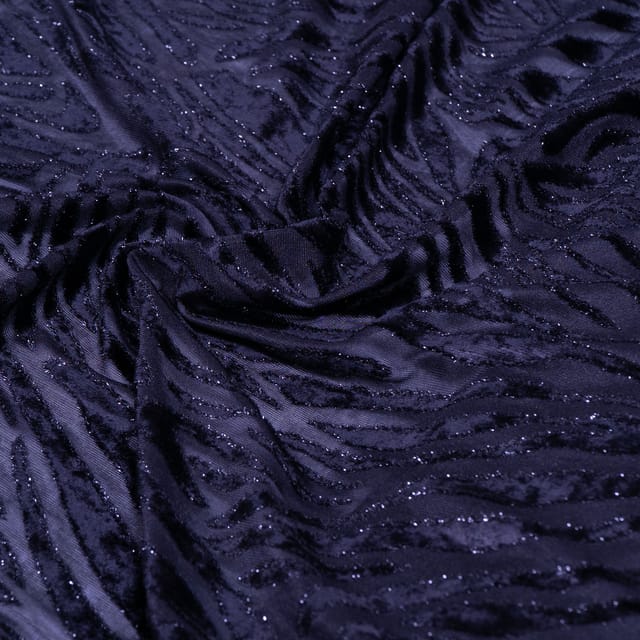
The velvet cloth material is known for its soft pile, smooth touch, and distinctive light-reflecting surface. Unlike flat-woven textiles, velvet has a raised texture that gives garments a deeper and more sophisticated appearance. It is commonly associated with winter clothing, evening dresses, blouses, jackets, saree fabrics, upholstery, and festive fashion. Depending on its construction and fibre composition, velvet can range from relatively lightweight varieties to thick materials designed for warmth and structure.
Today, velvet is not restricted to traditional heavy garments. Designers increasingly use it for trims, panels, sleeves, belts, bags, and coordinated details. Deep jewel tones can create a dramatic effect, while softer shades offer a more contemporary appearance. Because the surface can show marks and changes in direction, careful cutting and handling are important when making garments.
Why Muslin Remains Popular
Muslin fabric is a lightweight textile appreciated for its soft feel and airy construction. It is particularly suitable for warm climates because many varieties allow comfortable airflow around the body. Depending on its fibre content and weave, muslin can be used for dresses, shirts, scarves, children's clothing, summer ethnic wear, linings, and lightweight home textiles.
One of its biggest advantages is versatility. Muslin fabric can provide a relaxed appearance for everyday clothing while also serving as a base for prints, embroidery, dyeing, and other decorative techniques. Its gentle drape makes it useful for garments where movement and comfort matter more than a highly structured silhouette.
The Appeal of Chinon
Chinon fabric is generally associated with a lightweight, fluid appearance that works particularly well in Indian and occasion-focused fashion. It can create an elegant fall without making a garment appear excessively heavy. This makes it suitable for sarees, dupattas, suits, lehengas, gowns, and decorative layers.
The appeal of chinon fabric comes from its combination of softness, movement, and visual delicacy. Depending on the specific construction and finish, it may have a subtle sheen or a slightly translucent appearance. Designers often pair it with embroidery, sequins, borders, lace, or embellished blouses to create balanced festive looks.
Choosing the Right Material for Different Occasions
Selecting the velvet cloth material for an outfit can be a strong choice when the objective is to create a luxurious, statement-making appearance. It works especially well for winter weddings, evening celebrations, formal jackets, traditional blouses, and decorative elements. However, its heavier visual character may not be ideal for extremely hot weather. The garment design should also account for the direction of the velvet pile so that the finished piece looks consistent.
For summer events and everyday clothing, muslin fabric can be a more practical option. Its lightness makes it comfortable for long periods, while its natural-looking texture complements relaxed silhouettes. For festive occasions where movement and elegance are priorities, chinon fabric can create an attractive flowing effect. It is especially useful when the design calls for layers, soft pleats, or a graceful dupatta that moves naturally while walking.
Styling Ideas for Modern Fashion
The velvet cloth material can be modernized by combining it with simpler fabrics rather than using velvet throughout an outfit. A velvet blouse with a flowing saree, velvet sleeves on a lighter dress, or velvet detailing on a traditional jacket can provide richness without making the overall appearance too heavy. Minimal jewellery and clean silhouettes can further highlight the texture of the material.
Meanwhile, muslin fabric works beautifully with contemporary prints, hand embroidery, subtle patterns, and relaxed tailoring. It can be styled into co-ord sets, long dresses, kurtas, shirts, and lightweight scarves. Chinon fabric is particularly effective when used for layered ethnic silhouettes. A plain or lightly embellished chinon dupatta can add movement and sophistication to a simpler suit, while a decorated chinon saree can provide an elegant option for celebrations.
When combining materials, contrast can be useful. Pairing a structured textile with chinon fabric can create visual balance, while using muslin fabric underneath a decorative outer layer can improve comfort. These combinations allow designers and consumers to achieve fashionable results without sacrificing practicality.
Care and Maintenance Tips
Proper maintenance can significantly extend the useful life of delicate textiles. The velvet cloth material should generally be protected from crushing because pressure can affect its raised surface. Excessive ironing directly on the pile can also flatten the texture. Hanging or storing velvet carefully helps preserve its original appearance.
Muslin fabric should be handled according to its fibre composition because different blends can react differently to washing, heat, and moisture. Gentle cleaning and suitable drying methods can help maintain its softness. Similarly, chinon fabric benefits from careful handling, especially when it has embroidery, embellishments, or a delicate finish. Before cleaning any expensive garment, checking the manufacturer's care instructions is the safest approach.
A few practical habits can help preserve these materials:
· Store delicate garments in a clean, dry environment.
· Avoid unnecessary exposure to direct sunlight for extended periods.
· Follow the recommended washing and ironing instructions.
· Test cleaning methods on an inconspicuous area when appropriate.
Buying Considerations in Today's Fabric Market
When purchasing muslin fabric, buyers should look beyond appearance and consider fibre composition, weave, weight, transparency, and intended use. Two fabrics carrying the same general name may feel noticeably different because manufacturing methods and blends vary. Checking the fabric in natural light and touching it before purchasing can provide useful information about quality.
The same principle applies to chinon fabric and velvet. Instead of choosing solely by colour or price, consider how the material will behave after stitching. A fabric that looks beautiful on a roll may not produce the desired drape or structure in a finished garment. Current fashion preferences increasingly favour versatile materials that can transition between occasions, making texture, comfort, and ease of styling important factors alongside appearance.
Frequently Asked Questions
Is velvet suitable for everyday clothing?
The velvet cloth material can be used for everyday garments, but its suitability depends on weight, climate, and design. Lightweight velvet can work for selected casual pieces, while heavier varieties are generally better suited to cooler weather and special occasions.
Is muslin suitable for summer?
Yes, muslin fabric is widely valued for lightweight clothing and can be comfortable in warm conditions. Its suitability depends on the fibre content, weave, and finishing, so buyers should evaluate the specific variety rather than relying only on the fabric name.
What garments can be made from chinon?
Chinon fabric is commonly used for sarees, dupattas, suits, gowns, skirts, and other flowing garments. Its soft movement makes it particularly attractive for festive and occasion-focused designs.
Which fabric has the most luxurious appearance?
For a rich and opulent appearance, velvet cloth material is usually the stronger choice because its raised pile creates depth and a distinctive visual texture. The final effect also depends on colour, quality, and garment construction.
Can muslin and chinon be used together?
Yes. Combining muslin fabric with chinon fabric can create an interesting balance between comfort and flowing elegance. The combination can work especially well in layered ethnic and contemporary outfits.
How should delicate fabrics be stored?
Velvet, muslin, and chinon should be kept clean and dry and stored according to their individual care requirements. Embellished or delicate garments should receive additional protection against snagging, compression, and prolonged moisture.
Conclusion
Choosing between velvet, muslin, and chinon ultimately depends on the desired combination of appearance, comfort, season, and occasion. The velvet cloth material brings richness and tactile depth, muslin fabric offers lightweight versatility, and chinon fabric contributes graceful movement and an elegant finish. None is universally better than the others; each serves a different purpose.
As modern fashion continues to blend traditional craftsmanship with practical styling, understanding fabric behaviour has become increasingly valuable. By considering texture, drape, climate, garment design, maintenance, and overall styling goals, shoppers and designers can make more confident decisions and create outfits that look attractive while remaining suitable for their intended use.
Comments